






CNC Vises for Milling & Machining Centers
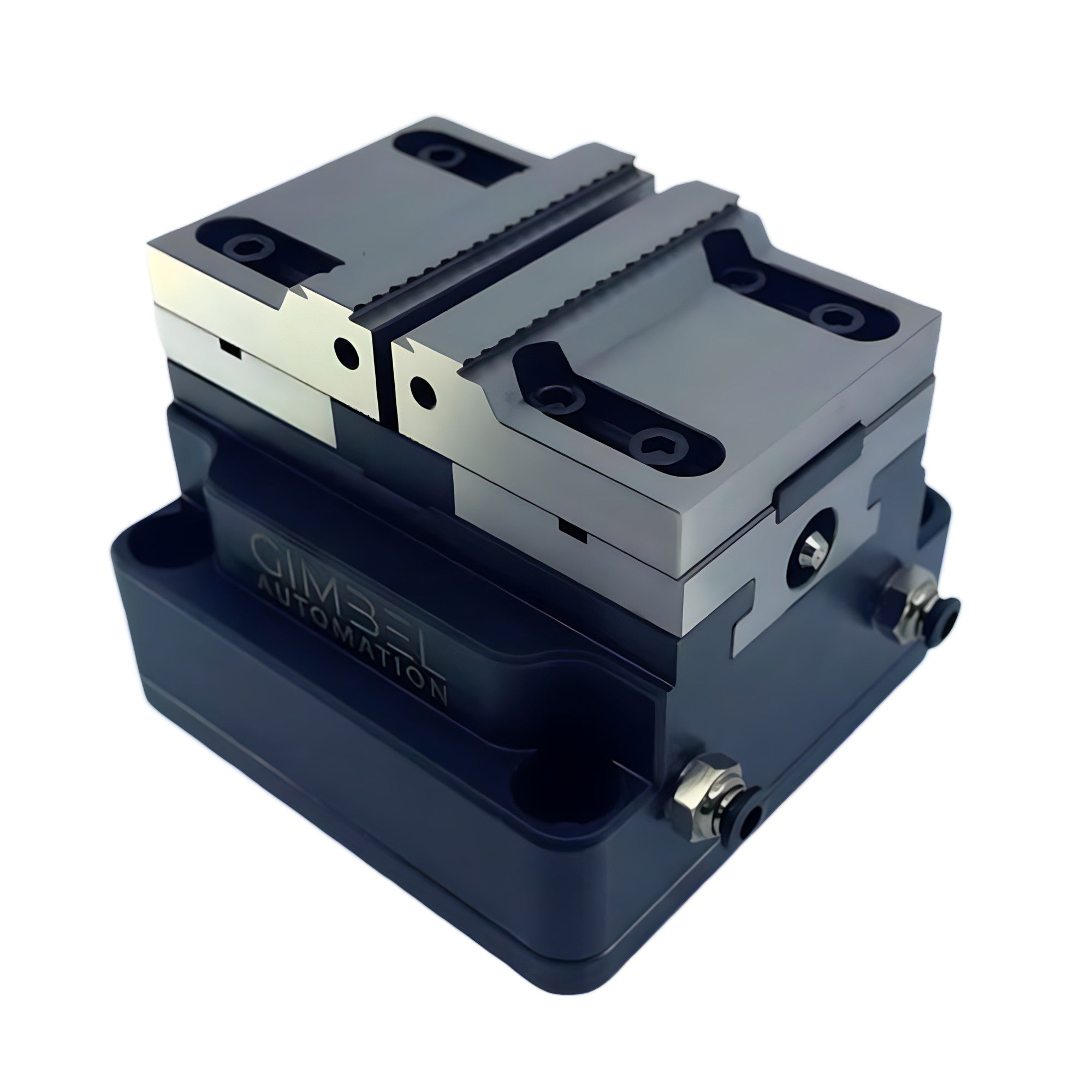
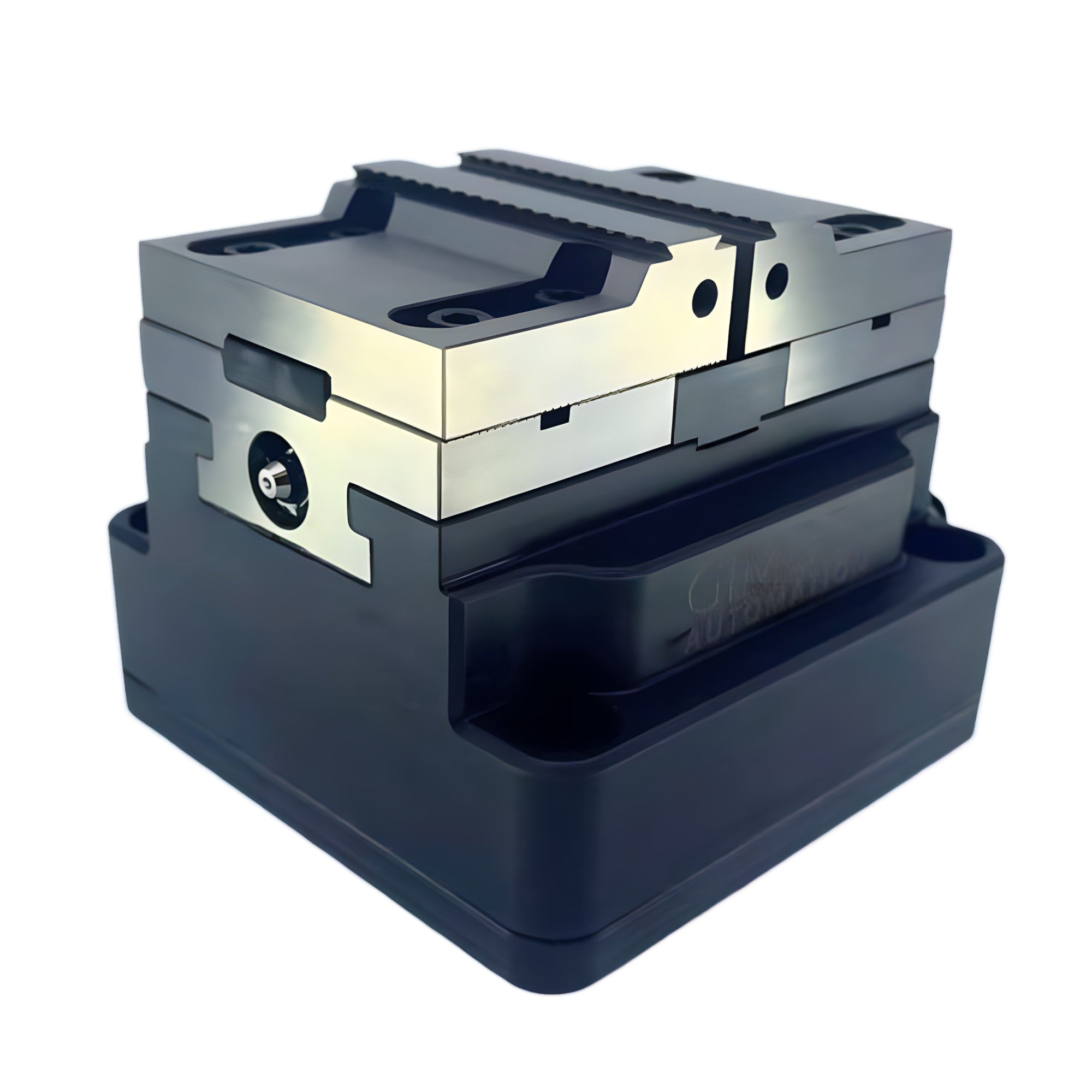
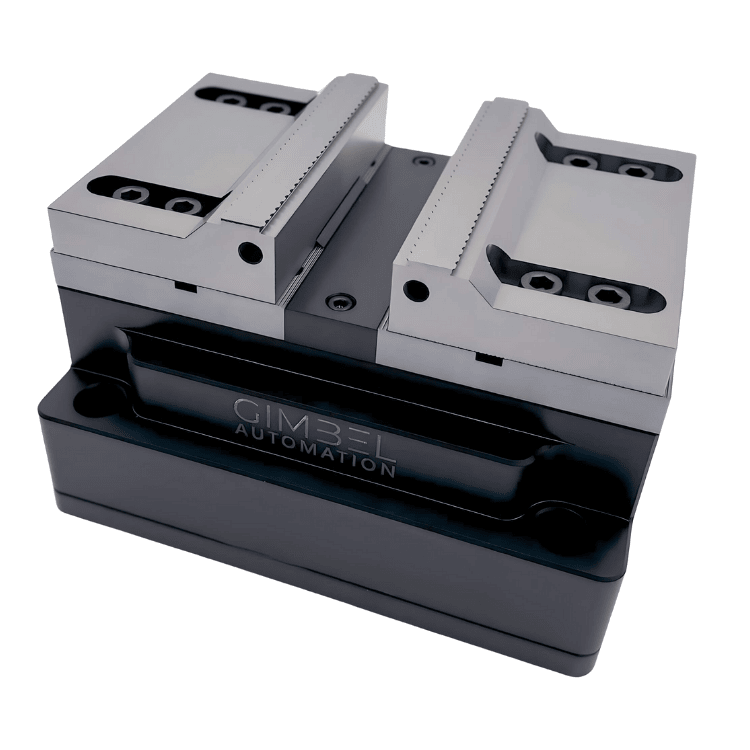
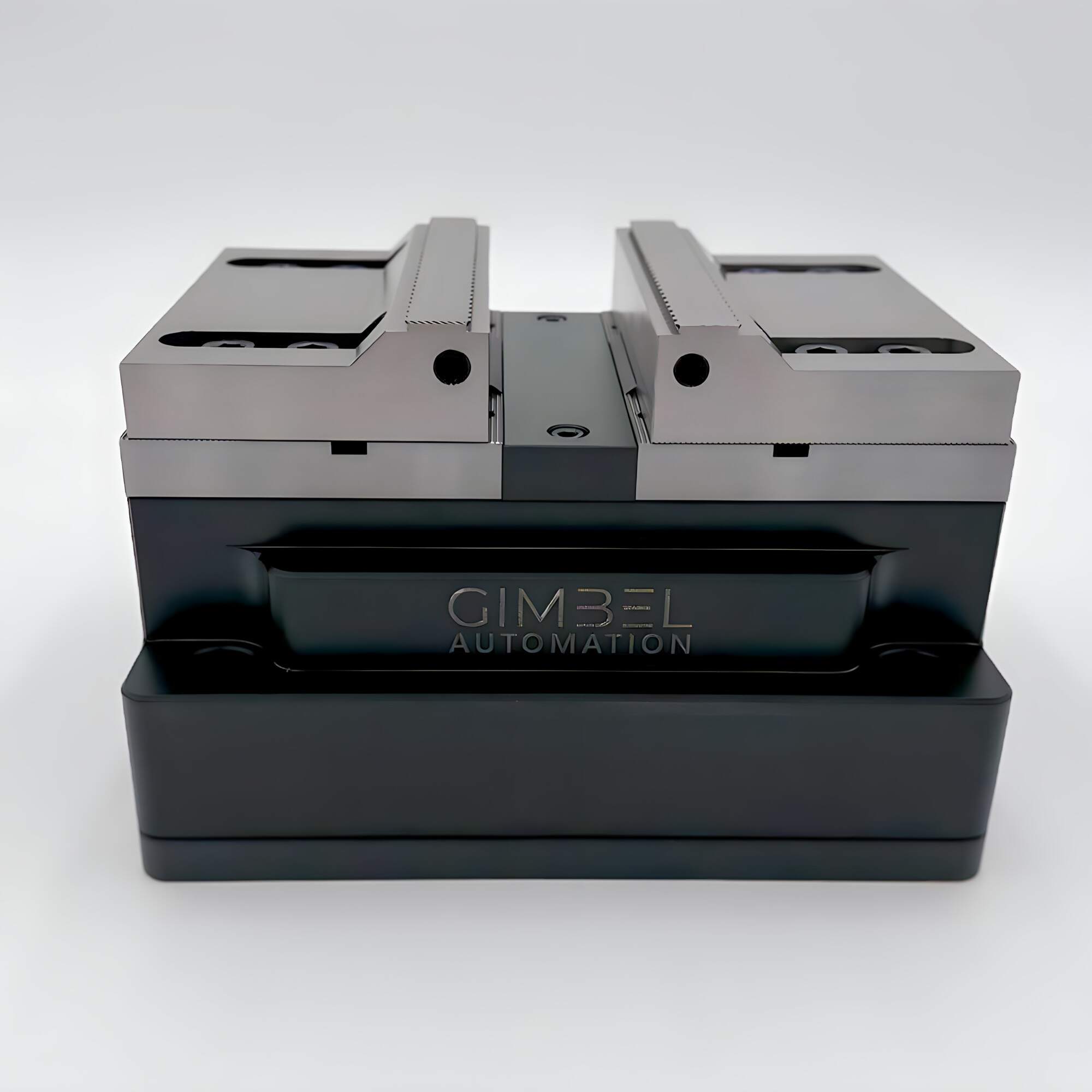
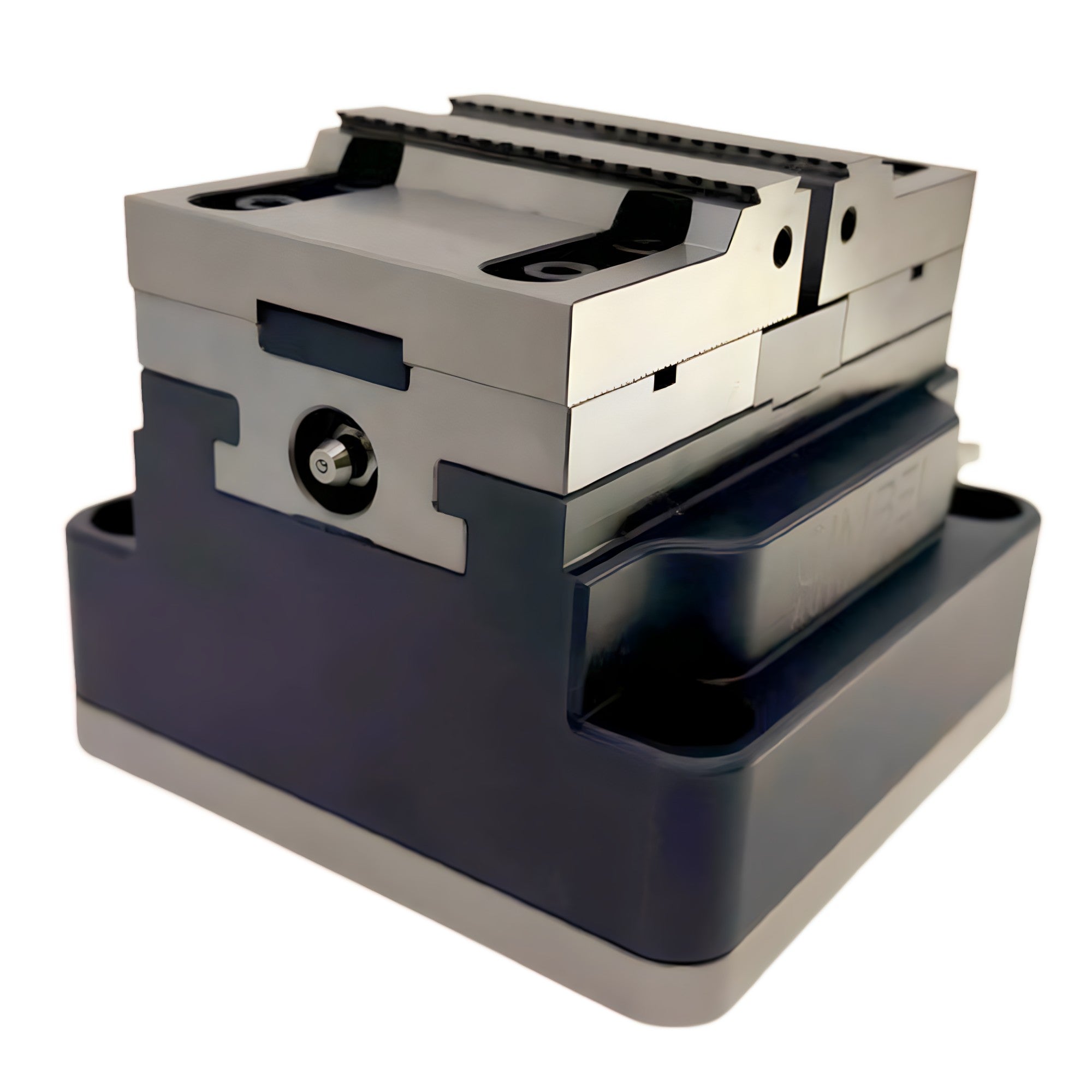
A CNC vise is a precision workholding vise that clamps a part on the table of a milling machine or machining center and holds it square and repeatable through the cut. Ours go a step further. Every vise on this page is a self-centering pneumatic CNC vise, so it clamps on air instead of a hand crank, grips from both sides toward a fixed center, and reloads itself for unattended runs. That is the difference between a vise that holds a part and a vise that helps you run lights-out.
Pick a size below, or read on for how these vises are built and where each one fits.
Shop CNC vises by size
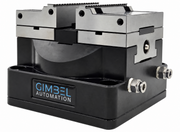
- 3 inch (75mm) AutoVise Pro. The compact choice. Fits tight tables and multi-vise setups on smaller machining centers.
- 4 inch (100mm) AutoVise Pro. The production workhorse. Up to 3,400 lbf of clamping force and 0.0008 inch repeatability for daily batch work.
- 6 inch (150mm) AutoVise Pro. The heavy-duty option. 1,450 to 5,850 lbf depending on air pressure, for larger stock and harder cuts.
- 6 inch (150mm) AutoVise Lite. An aluminum body at a lower price. Same air clamping, lighter weight, built for shops moving into automation.
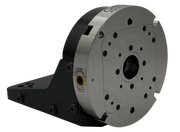
- Rotary AutoVise Pro. Self-centering clamping sized for a trunnion or rotary. For full 4th and 5th axis work, see our 5th axis vises.




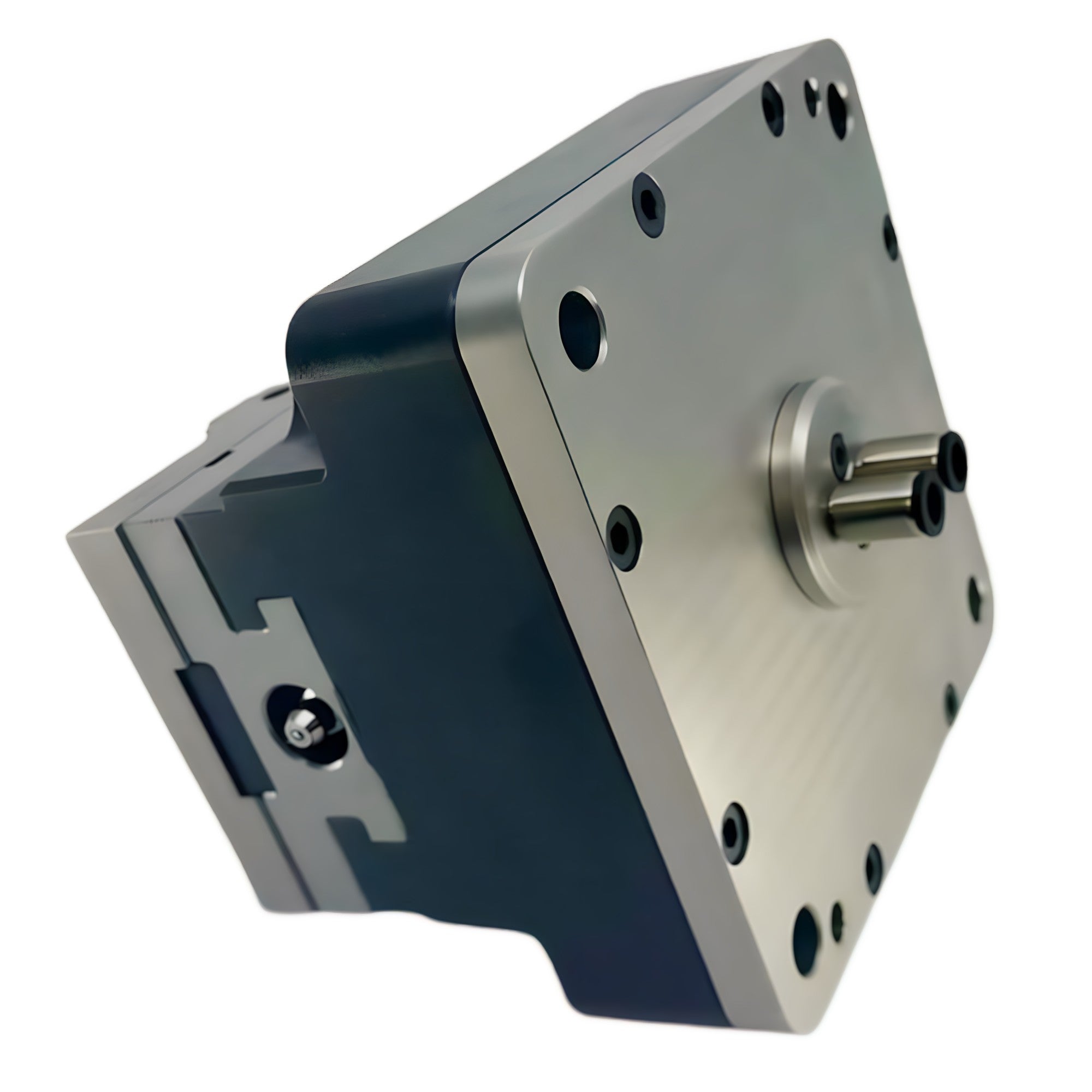


What is a CNC vise
A CNC vise is a workholding vise made for machining centers rather than a bench. Four things set it apart from a standard machinist vise.
It has no cast mounting flanges. The body is square and compact, so vises sit side by side and free up table space. The surfaces are precision-ground flat, parallel, and square, which lets you mount the vise upright, on its side, or on end and still trust your zero. The jaw pulls down as it clamps, so the part seats against the bed instead of lifting under load. And it is built to repeat, clamping to the same position part after part across a production run.
Hold those four traits in mind, because they decide which vise type belongs on your machine.
Types of CNC machine vises
"CNC vise" covers several designs, and the right one depends on how you load the machine.
A single-station vise has one fixed and one moving jaw, the familiar milling machine vise. A self-centering vise clamps symmetrically toward a fixed center, so your zero stays put even when stock size drifts. A dual-station vise holds two parts in one body to double output per cycle. A toolmaker or low-profile vise clears tight Z-height on small parts. Then there are pneumatic and hydraulic vises, which trade the hand crank for air or fluid pressure and clamp in under a second.
Gimbel builds the pneumatic, self-centering end of that range. If you want the broader workholding family, browse our air and automatic vises and our self-centering vises. For the full manual versus powered breakdown, read machinist vise vs CNC vise.
Why pneumatic CNC vises earn their keep in production
A manual vise is fine for one-off and prototype work. The moment you are running the same part fifty times, the hand crank becomes the bottleneck and the variable.
An air vise clamps to the same force every cycle, so your clamping is as repeatable as your toolpath. The operator stops wrenching a handle and loads parts in seconds. Pair the vise with a spindle gripper or a cobot and the machine can load, clamp, cut, and unload without a hand on it. That is how a small shop gets to lights-out without buying a robot cell. Our pneumatic vises page covers the air setup in full.
CNC vise specifications
The numbers below are the ones that decide fitment. Confirm clamping force against your air supply, since force scales with pressure.
| Model | Jaw width | Clamping force | Air pressure | Repeatability | Weight |
|---|---|---|---|---|---|
| 3in (75mm) AutoVise Pro | 75mm / 3.0in | PSI-dependent | 50 to 130 psi | 0.0008in | Compact |
| 4in (100mm) AutoVise Pro | 100mm / 4.0in | Up to 3,400 lbf | 50 to 130 psi | 0.0008in | 24 lb |
| 6in (150mm) AutoVise Pro | 150mm / 6.0in | 1,450 to 5,850 lbf | 50 to 140 psi | 0.0008in | 32 lb |
| 6in (150mm) AutoVise Lite | 150mm / 6.0in | PSI-dependent | 50 to 140 psi | Repeatable | 15.4 lb |
Every vise runs on standard shop air and bolts to a machining center table or tombstone. For soft jaws, hard serrated jaws, and the solenoid kit that ties the vise into your control, see the accessories below.

Jaws and Accessories
A vise is only as good as its jaws. We stock aluminum soft jaws for first-op workholding, hardened serrated jaws for grip on rough stock, and the MCodeAir solenoid kit so your program opens and closes the vise through an M-code. Match the jaw to the op and the same vise covers more of your part mix.
How to choose the right CNC vise
Four questions settle most of it.
- Volume. One-offs favor a manual vise. Repeat batches favor a self-centering air vise.
- Machine. A 4 inch vise suits smaller tables and multi-vise rows. A 6 inch is the standard for a full-size VMC.
- Axis. Simple 3-axis work takes a standard base. 4th and 5th axis work needs a rotary vise.
- Automation. If lights-out is on your roadmap, start with an air vise now so the workholding is ready when the gripper arrives.
Still weighing manual against powered? The machinist vise vs CNC vise guide walks the full comparison.
Frequently asked questions CNC Vises
They overlap. "Machine vise" is the general term for any vise that bolts to a machine table. "CNC vise" points to the production-grade version built for machining centers: square body, ground surfaces, pull-down jaw, and tight repeatability.
A 6 inch vise is the common default for a full-size vertical machining center. Shops drop to 4 inch for smaller tables or to fit more vises in a row.
Yes. A self-centering body holds zero through rotation, which is why it suits rotary work. See our 5th axis vises for trunnion-ready models.
Enough to resist cutting forces without crushing the part. Our vises run from psi-dependent figures up to 5,850 lbf on the 6 inch, and force scales with your air pressure, so set it to the job.
Most shops run a mix: aluminum soft jaws for located first ops, and hardened serrated jaws for grip on raw stock. Both are available for these vises.