
Introduction

Modern automated cnc machines combine advanced automation technology with sophisticated software to create manufacturing processes that can run continuously, dramatically increasing production volumes while reducing labor costs and machine errors, and increasing efficiency throughout the production cycle.

Why This Matters

Manufacturing industries face critical challenges including skilled labor shortages, increasing demand for precision machining, and the need for 24/7 production capabilities. CNC automation addresses these challenges by enabling lights-out manufacturing, consistent product quality, optimal resource management, and less downtime, which leads to lower operating costs.

Principles of CNC Automation

The foundation of CNC automation lies in seamlessly integrating computer numerical control (CNC) machines with advanced automation technology to create a streamlined, efficient, and highly precise manufacturing process. At its core, CNC automation leverages automated cnc machines, robotic systems, and vision systems to handle complex tasks such as machining, cutting, and assembly with minimal manual intervention.

A key principle is selecting the right automation solution tailored to your specific production needs. This involves evaluating the types of machining centers in use, the complexity of the parts being produced, and the desired production volumes. By choosing the right combination of machines and automation systems, manufacturers can optimize resource management, ensuring that equipment and personnel are utilized to their fullest potential.

Automation technology enables the integration of robotic systems for part handling, tool management, and in-process inspection, all of which contribute to reducing downtime and increasing throughput. Vision systems play a crucial role in maintaining product quality by providing real-time feedback and enabling automated quality checks during the manufacturing process.

Ultimately, the principles of CNC automation focus on maximizing productivity, minimizing errors, and ensuring consistent quality. By optimizing the integration of machines, software, and human resources, manufacturers can achieve a highly efficient production process that delivers superior results, even when handling complex or high-mix manufacturing environments.


Understanding CNC Automation Systems

The connection to Industry 4.0 and smart manufacturing becomes evident through real-time production data collection, predictive maintenance capabilities, and seamless integration with enterprise resource planning systems. CNC automation is used for machining a variety of materials, including metal, plastic, or wood, demonstrating its versatility across different manufacturing applications.

Physical Automation Components

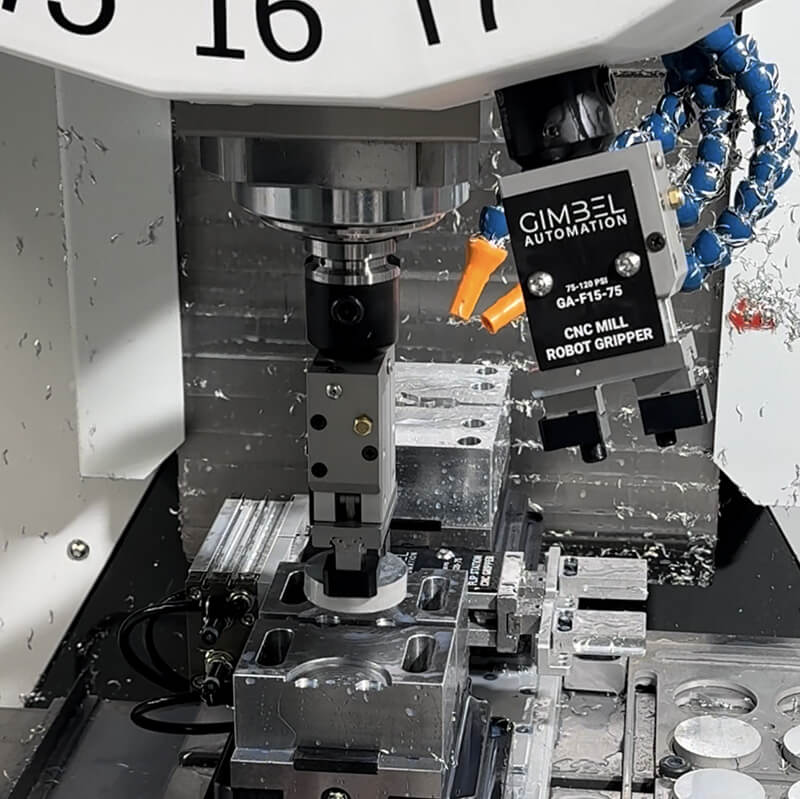
Robotic systems form the foundation of physical cnc automation, with loading robots and robotic arms handling part loading and unloading operations. Popular solutions include collaborative robots for smaller operations and industrial robots for high-volume applications.

Pallet handling systems and conveyor integration enable continuous material flow, allowing machining centers to operate while the next batch of raw materials is prepared. Automated tool changing systems maintain cutting tools and perform tool breakage detection, ensuring consistent machining process quality.

This connects to cnc automation because these physical components enable unmanned operation by eliminating the need for operators to manually handle parts, tools, and materials during the production process.

Software and Control Systems

Manufacturing execution systems coordinate production schedules, monitor machine performance, and optimize resource allocation across multiple cnc machines. These software platforms integrate with existing cnc process controls to provide comprehensive automation management.

Machine monitoring systems collect production data in real-time, tracking everything from spindle loads to tool wear patterns. This data enables predictive maintenance strategies that prevent unexpected downtime and optimize equipment performance.

Building on physical automation components, software systems provide the intelligence layer that coordinates all automated functions, making decisions about tool selection, part routing, and quality control without requiring manual intervention.


Benefits and Real-World Applications

The implementation of cnc automation systems delivers measurable improvements in productivity, cost efficiency, and quality consistency across diverse manufacturing environments.

Productivity and Efficiency Gains

Automated cnc machines can operate continuously, increasing machine utilization from typical 2,000 hours annually to over 6,000 hours with lights-out manufacturing capabilities. This dramatic increase in operational time directly translates to higher production volumes without proportional increases in labor costs.

Automation systems typically reduce staffing requirements from three operators per shift to one operator managing multiple machines. This workforce optimization allows skilled cnc machinists to focus on complex tasks like programming and setup rather than repetitive part loading operations.

Real-world examples demonstrate significant improvements: companies implementing machine tending automation report achieving production targets with 50% fewer operators while maintaining tight tolerances and reducing waste through consistent material handling.

Cost Reduction and ROI

Labor cost savings represent the most immediate benefit, as automation reduces the need for operators during second and third shifts. However, the financial benefits extend beyond direct labor savings to include reduced material waste, lower operating costs through predictive maintenance, and increased capacity without facility expansion.

Automated systems minimize tool breakage through consistent handling and real-time monitoring, reducing both cutting tool costs and unexpected downtime. Material waste decreases significantly due to precise, repeatable positioning and automated quality control processes.

Unlike manual operations, automated systems provide detailed production data that enables continuous process optimization, leading to ongoing cost reductions and efficiency improvements over time.

Quality and Safety Improvements

Automation eliminates human error in repetitive tasks, ensuring consistent part quality and reducing scrap rates. Automated quality control systems can perform measurements more frequently and accurately than manual inspection, catching deviations before they result in rejected parts.

Enhanced workplace safety results from removing operators from potentially hazardous operations involving hot plasma, laser cutters, or plasma cutters. Automated systems handle dangerous materials and operate in environments that would be unsafe for human workers.

Integrated vision systems and automated measurement tools maintain consistent quality standards even during lights-out operation, ensuring that product quality remains high regardless of when parts are produced.

Key Points:

  • 24/7 operation capability increases machine utilization by 200-300%

  • Workforce optimization allows one operator to manage multiple automated machines

  • Consistent quality and safety improvements through elimination of human error

  • Comprehensive cost reduction beyond direct labor savings

Understanding these benefits provides the foundation for developing effective implementation strategies that maximize return on automation investments.


CNC Automation Implementation Strategy

Successful cnc automation implementation requires systematic planning that balances technical capabilities with business requirements and existing infrastructure constraints.

Step-by-Step: Automation Assessment and Planning

When to use this: For manufacturers evaluating automation investment decisions across job shops, machining centers, or high-volume production facilities.

  1. Analyze Current Workflows and Identify Bottlenecks: Document existing operations including cycle times, setup procedures, and quality control processes. Identify where manual intervention creates delays or inconsistencies in the manufacturing process.

  2. Calculate Production Volume Requirements and Part Complexity: Evaluate which parts benefit most from automation based on volume, complexity, and current labor requirements. Consider factors like tool changing frequency and material handling complexity.

  3. Assess Existing Infrastructure and Integration Needs: Determine compatibility with current cnc machinery, available floor space, and electrical/pneumatic requirements. Evaluate integration possibilities with existing milling machines, machining centers, or other equipment.

  4. Develop ROI Projections with 3-5 Year Timeline: Calculate automation costs including equipment, installation, and training against projected savings from reduced labor costs, increased production volumes, and improved efficiency.

Comparison: Cobot Systems vs Industrial Robot Automation

Feature

Collaborative Robots

Industrial Robot Systems

Initial Investment

$50,000-150,000

$200,000-500,000

Setup Complexity

Moderate - programming via teach pendant

High - requires specialized integration

Payload Capacity

3-35 kg typical

50-500+ kg capacity

Flexibility for Job Shops

High - easy reprogramming for part variety

Lower - optimized for dedicated applications

Collaborative robots excel in job shops and lower-volume operations where flexibility and lower initial investment are priorities. Industrial automation systems provide superior performance for high-volume production where consistent cycle times and heavy part handling justify the higher investment.

This comparison directly impacts implementation planning, as the choice between automation approaches affects budget requirements, installation timelines, and operational flexibility.


Machine Tending and Automation

Machine tending is a pivotal component of modern CNC automation, involving the use of robotic systems to manage the loading and unloading of parts, perform automated tool changing, and monitor machine performance throughout the cnc machining process. By automating these repetitive and labor-intensive tasks, manufacturers can significantly reduce labor costs and minimize the risk of machine errors.

Integrating machine tending with CNC machining not only boosts efficiency but also enhances product quality. Robotic systems ensure that parts are handled consistently, reducing the likelihood of tool breakage and optimizing the use of raw materials. This level of precision helps manufacturers achieve tighter tolerances and reduces waste, contributing to a more sustainable and cost-effective operation.

Automated machine tending also plays a critical role in preventing unexpected downtime. By continuously monitoring machine status and tool conditions, these systems can detect issues before they escalate, allowing for proactive maintenance and minimizing disruptions to production. This leads to improved overall performance and reliability of the cnc machining process.

To fully realize the benefits of machine tending and automation, manufacturers must invest in careful planning, precise system integration, and ongoing performance monitoring. This ensures that the automation solution delivers maximum efficiency, maintains high product quality, and supports the long-term success of the manufacturing operation.


CNC Automation for Small Businesses

For small businesses, CNC automation offers a transformative opportunity to increase capacity, lower operating costs, and deliver higher product quality. By adopting automated cnc machines and integrating robotic systems, small manufacturers can level the playing field with larger competitors, expanding their reach and improving profitability.

The key to successful CNC automation in a small business setting is selecting the right automation solution that aligns with available resources and production goals. This means carefully evaluating which processes will benefit most from automation, considering factors such as part complexity, batch sizes, and existing equipment. Effective integration with current machinery and thoughtful resource management are essential to maximize the return on investment.

Automated systems enable small businesses to streamline their manufacturing process, reduce waste, and achieve greater efficiency and precision. With automation, tasks that once required significant manual intervention can be performed faster and more accurately, freeing up skilled workers to focus on higher-value activities and innovation.

By embracing CNC automation, small businesses can not only improve product quality and consistency but also increase their production capacity without the need for significant expansion. This strategic investment in automation technology positions small manufacturers for long-term growth and competitiveness in an increasingly demanding market.


Common Challenges and Solutions

Manufacturers implementing cnc automation frequently encounter predictable obstacles that can be addressed through proven strategies and careful planning.

Challenge 1: High Initial Investment Costs

Solution: Implement phased automation starting with highest ROI applications like machine tending for high-volume parts, then expanding to additional operations as cash flow improves.

Consider leasing options and government incentives for manufacturing automation that can reduce upfront capital requirements. Many automation vendors offer financing packages specifically designed for small to medium-sized machine shops.

Challenge 2: Integration with Legacy Equipment

Solution: Utilize retrofit automation solutions and universal interface adapters that work with existing cnc machines from manufacturers like Haas, Mazak, or DMG Mori without requiring complete equipment replacement.

Modern automation systems often include compatibility layers that can interface with older control systems, allowing gradual modernization without disrupting current production capabilities.

Challenge 3: Workforce Resistance and Skills Gap

Solution: Develop comprehensive training programs that emphasize job enhancement rather than replacement, showing operators how automation eliminates repetitive tasks while creating opportunities for higher-skilled work.

Focus on upskilling existing cnc machinists for automation management roles, including robot programming, system monitoring, and advanced quality control responsibilities that provide career advancement opportunities.


Future of CNC Automation

The future of CNC automation is poised for rapid evolution, driven by breakthroughs in automation technology, artificial intelligence, and the Internet of Things (IoT). As these technologies mature, manufacturers will see even greater integration of robotic systems, vision systems, and advanced automation systems into their production environments.

Emerging trends include the expanded use of plasma cutters and laser cutters for precision machining, as well as the integration of CNC automation with additive manufacturing and 3D printing. These advancements will enable manufacturers to produce increasingly complex parts with higher efficiency and accuracy, pushing the boundaries of what is possible in industrial construction and product design.

Automation systems will become smarter and more interconnected, leveraging real-time production data and predictive analytics to optimize every aspect of the manufacturing process. Vision systems will play a larger role in quality assurance, while robotic systems will handle more complex tasks, from intricate assembly to adaptive machining.

As new materials and manufacturing techniques are developed, CNC automation will continue to drive innovation, allowing manufacturers to meet the demands of tighter tolerances, faster turnaround times, and greater customization. To stay competitive, businesses must remain proactive—investing in the latest automation technologies, fostering integration across their operations, and continuously seeking ways to increase efficiency and precision.

The future of CNC automation is not just about keeping pace with technology, but about harnessing its full potential to transform manufacturing for the next generation.

Conclusion and Next Steps

CNC automation has evolved from a competitive advantage to a business necessity for manufacturers facing labor shortages, increasing quality demands, and pressure for continuous operation. The integration of robotic systems, intelligent software, and automated quality control creates manufacturing capabilities that exceed what’s possible with manual operations alone.

To get started:

  1. Conduct automation readiness assessment using the evaluation framework outlined in this guide to identify your highest-priority applications

  2. Request quotes from 2-3 automation vendors to understand costs and capabilities specific to your cnc machinery and production requirements

  3. Start with pilot program on highest-volume parts to demonstrate ROI and build internal expertise before expanding automation across your entire operation

Related Topics: Advanced concepts like AI-assisted programming, predictive maintenance systems, and complete lights-out manufacturing represent the next evolution of cnc automation, building on the foundational systems covered in this guide.


Additional Resources

ROI Calculation Tools: Automation investment worksheets help quantify labor savings, productivity gains, and payback periods for different automation scenarios.

Industry Case Studies: Real-world implementations in automotive, aerospace, and medical device manufacturing demonstrate automation benefits across diverse applications and production volumes.

Educational Resources: Information about automation trade shows (IMTS, Automate) and training programs for manufacturing engineers considering cnc automation investments.