







In today’s hyper-competitive manufacturing landscape, the companies that thrive are those that harness the power of data to drive every decision. The shift from gut instinct to data driven manufacturing represents one of the most significant transformations in industrial operations since the advent of automation itself. Data is considered a unique asset for manufacturers, significantly impacting their operations and profitability. This comprehensive guide will explore how manufacturers can leverage data analytics, artificial intelligence, and advanced technologies to achieve unprecedented levels of operational efficiency, reduce costs, and stay ahead in an increasingly complex global marketplace.
Manufacturing executives across all industries are discovering that the benefits of data driven approaches extend far beyond simple cost reduction. By implementing strategic data collection systems and advanced analytics platforms, manufacturers can transform their entire operations - from production processes to supply chain management - creating sustainable competitive advantages that continue to compound over time.
What is Data-Driven Manufacturing?
Data driven manufacturing fundamentally transforms how industrial organizations make decisions by replacing intuition-based approaches with real-time analytics and factual insights. Instead of relying on historical trends or operator experience alone, this methodology uses continuous data streams from production equipment, quality control systems, and supply chains to optimize every aspect of the manufacturing process. This approach enhances productivity, lowers costs, increases quality, and helps achieve sustainability goals.

At its core, data driven manufacturing leverages IoT sensors, programmable logic controllers (PLCs), and supervisory control and data acquisition (SCADA) systems to collect operational data from production equipment. These systems capture everything from machine performance metrics and production rates to energy consumption patterns and environmental conditions. The collected data then flows through secure networks to analytics platforms that transform raw data into actionable insights.
The shift from reactive to predictive manufacturing strategies represents a fundamental change in how companies approach production planning and maintenance scheduling. By analyzing data from historical operations alongside real time data streams, manufacturers can identify patterns that predict equipment failures, optimize production schedules, and eliminate bottlenecks before they impact operations. Data-driven insights also allow for faster responses to market changes and supply chain disruptions, making this proactive approach essential as customer demands for faster delivery and higher quality continue to escalate.
Since 2015, Industry 4.0 and smart manufacturing initiatives have accelerated the adoption of data driven approaches across manufacturing industries. The digital transformation has been driven by the convergence of affordable sensor technology, cloud computing platforms, and machine learning algorithms that can process vast amounts of data in real-time. Companies that embrace these technologies position themselves to benefit from the continuous insights that data driven decision making provides. For example, Amazon has cut supply chain planning costs and achieved annual profit growth through data-driven manufacturing innovations.
Automation specialists like Gimbel Automation play a crucial role in this transformation by integrating data collection capabilities directly into control systems. Their expertise in connecting legacy equipment to modern analytics platforms enables manufacturers to begin capturing valuable operational data without completely replacing existing infrastructure. However, the lack of buy-in from leadership can hinder the digital transformation necessary for data-driven manufacturing, making it essential for executives to champion these initiatives.
Core Benefits of Data-Driven Manufacturing
Operational Efficiency and Cost Reduction
The financial impact of implementing data driven manufacturing strategies can be substantial, with studies consistently showing 15-30% reduction in operational costs through strategic data analytics implementation. These improvements stem from the ability to identify and eliminate inefficiencies that were previously invisible or difficult to quantify. Data is considered a unique asset for manufacturers, significantly improving throughput and adding to the bottom line.
Real-time monitoring systems provide unprecedented visibility into bottlenecks within production lines and material flow processes. By analyzing data from sensors placed throughout the manufacturing process, operations teams can pinpoint exactly where delays occur and implement targeted solutions. For example, if data analysis reveals that a particular workstation consistently operates below capacity during certain shifts, managers can investigate whether the issue relates to staffing, equipment performance, or material availability. A UK-based manufacturer improved operational efficiency and customer engagement by integrating their data into a unified digital platform, demonstrating the transformative potential of such systems.
Energy consumption optimization through data analysis of motor drives and heating systems represents another significant source of cost savings. Modern manufacturing facilities often consume substantial amounts of electricity, and even modest improvements in efficiency can result in meaningful cost reductions. Data analytics platforms can identify energy usage patterns, detect equipment that operates inefficiently, and recommend adjustments that reduce consumption without impacting production output.
The automotive and electronics manufacturing industries have demonstrated particularly impressive waste reduction results through data driven approaches. By monitoring quality metrics in real-time and using predictive analytics to identify potential defects before they occur, these manufacturers have dramatically reduced scrap rates and rework requirements. Some automotive manufacturers report waste reductions of up to 25% after implementing comprehensive data analytics programs.
Enhanced Quality Control and Predictive Maintenance
Vision systems and quality sensors provide continuous product inspection data that enables manufacturers to maintain consistent quality standards while reducing the need for manual inspection processes. These automated systems can detect defects that human inspectors might miss, operate continuously without fatigue, and generate detailed data about quality trends over time.
Predictive maintenance represents one of the most compelling applications of data driven manufacturing, with implementations typically reducing unplanned downtime by 40-50%. Instead of following predetermined maintenance schedules or waiting for equipment to fail, predictive maintenance uses data analytics to forecast when maintenance should occur based on actual equipment condition and performance trends.
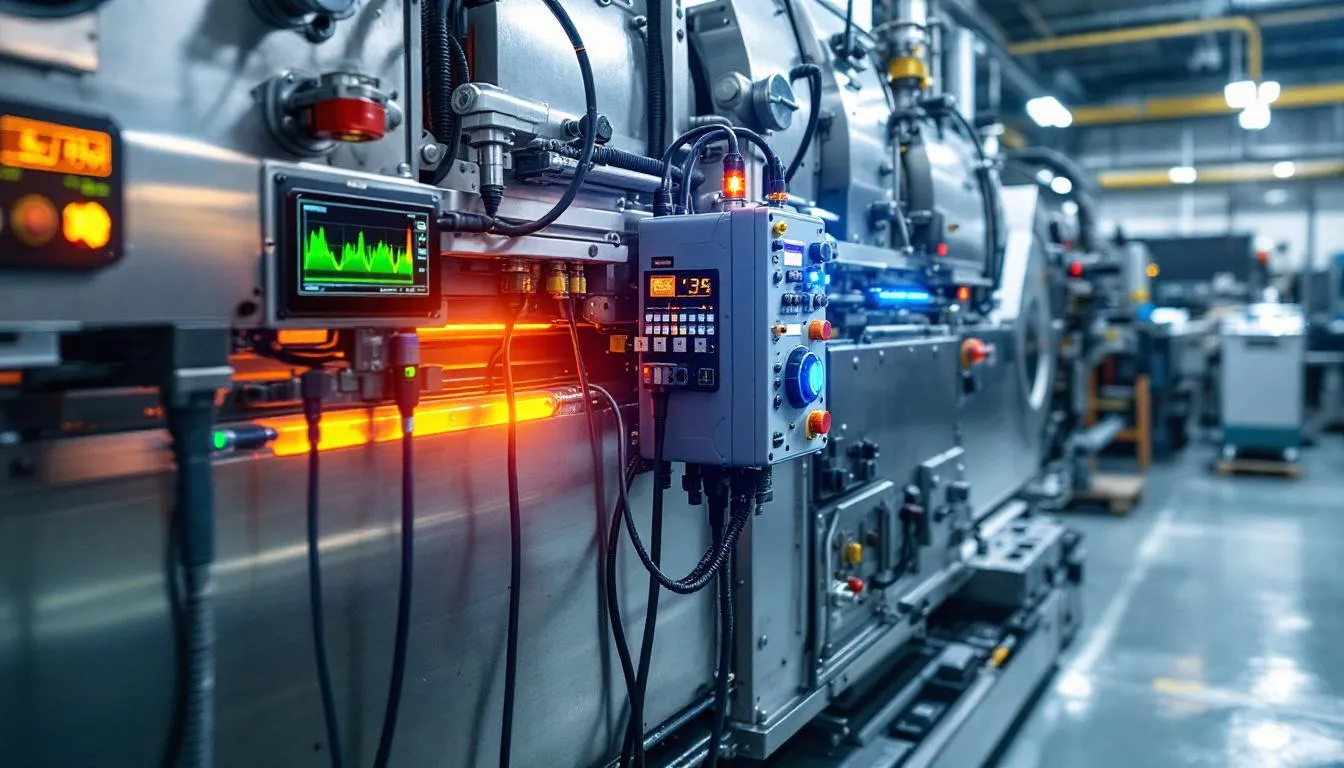
Vibration analysis and thermal monitoring systems provide early equipment failure detection by continuously monitoring the condition of critical machinery. These systems can detect subtle changes in equipment performance that indicate developing problems weeks before they would cause failures. For example, bearing wear typically produces characteristic vibration patterns that skilled technicians can identify through data analysis, allowing for planned maintenance during scheduled downtime rather than emergency repairs.
Control system integrators have developed sophisticated condition monitoring solutions that integrate seamlessly with existing manufacturing operations. These systems collect data from multiple sensors, apply machine learning algorithms to identify abnormal patterns, and alert maintenance teams when intervention is needed. The result is a more reliable production environment with fewer unexpected shutdowns and lower maintenance costs.
Essential Technologies Enabling Data-Driven Manufacturing
Industrial IoT and Connectivity Infrastructure
The foundation of any successful data driven manufacturing implementation lies in robust connectivity infrastructure that can reliably collect and transmit data from diverse industrial equipment. Ethernet/IP, OPC-UA, and MQTT protocols have emerged as the standard communication methods for industrial data transmission, each serving specific roles in the overall architecture.
Ethernet/IP provides high-speed, deterministic communication for real-time control applications, while OPC-UA offers secure, platform-independent data exchange between different systems and vendors. MQTT protocol excels at efficiently transmitting sensor data from large numbers of IoT devices to central analytics platforms. Understanding when and how to implement each protocol is crucial for creating a comprehensive data collection strategy.
Edge computing devices processing data locally before cloud transmission have become essential components of modern manufacturing data architectures. These devices can perform initial data filtering, execute basic analytics functions, and ensure that critical control decisions can be made even if cloud connectivity is temporarily unavailable. Edge computing also reduces bandwidth requirements and improves response times for time-sensitive applications.
Integration of legacy equipment through protocol converters and gateways enables manufacturers to include older machines in their data driven initiatives without requiring complete equipment replacement. Many manufacturing facilities contain equipment from multiple decades, and effective integration strategies can extract valuable data from these systems while preserving their operational value.
Cybersecurity considerations for connected manufacturing systems cannot be overlooked, as increased connectivity creates new potential vulnerabilities. Implementing proper network segmentation, access controls, and monitoring systems protects both operational technology and sensitive business data from cyber threats. Security challenges also arise from distributed control systems connected through the internet, exposing systems to unauthorized access, which underscores the importance of robust cybersecurity measures.
Artificial Intelligence and Machine Learning Applications
Computer vision systems for automated quality inspection represent one of the most successful applications of artificial intelligence in manufacturing environments. These systems can inspect products at production speeds impossible for human operators while maintaining consistent quality standards. Advanced computer vision algorithms can detect surface defects, dimensional variations, and assembly errors with remarkable accuracy.
Machine learning algorithms predicting equipment failures 2-4 weeks in advance have transformed maintenance operations across multiple industries. These algorithms analyze patterns in sensor data, maintenance records, and operating conditions to identify subtle indicators that precede equipment failures. The advance warning allows maintenance teams to plan interventions during scheduled downtime, order necessary parts, and coordinate with production scheduling.

AI-driven production scheduling optimization has proven particularly effective at reducing changeover times between different products or configurations. Machine learning algorithms can analyze historical changeover data, current inventory levels, and customer demand patterns to optimize production sequences. Some manufacturers report changeover time reductions of 30-40% through intelligent scheduling algorithms.
The pharmaceutical and food processing industries have achieved remarkable results using artificial intelligence for process optimization and quality assurance. These highly regulated industries require extensive documentation and quality control, making them ideal candidates for AI applications that can automatically monitor compliance parameters and detect deviations from established processes.
Implementation Challenges and Solutions
Legacy System Integration
One of the most common obstacles facing manufacturers pursuing data driven transformation involves integrating 1990s-2000s era control systems that lack modern connectivity capabilities. These older systems often use proprietary communication protocols, limited networking capabilities, and hardware that predates current industrial communication standards.
Retrofit solutions using industrial computers and communication modules provide cost-effective approaches for connecting legacy equipment to modern data platforms. These solutions typically involve installing communication gateways that translate between older protocols and current standards, enabling data extraction without disrupting existing control logic.
Data historians serve as critical bridges between old SCADA systems and modern analytics platforms by providing centralized data storage and standardized interfaces. These systems can collect data from multiple sources, normalize timestamps and data formats, and present unified data streams to analytics applications. Implementing a robust data historian often represents the first step in a comprehensive data driven transformation.
Cost-effective approaches for gradual system modernization allow manufacturers to spread investment costs over time while immediately beginning to capture value from data analytics. Rather than attempting to replace all systems simultaneously, successful implementations typically focus on high-impact areas first, then expand coverage as benefits are realized and additional funding becomes available.
Data Quality and Security Concerns
Common data integrity issues including sensor drift and communication errors can significantly impact the accuracy and reliability of data driven insights. Sensor drift occurs when measurement devices gradually lose calibration over time, while communication errors can result in lost or corrupted data transmissions. Implementing robust data validation procedures and regular sensor maintenance programs helps ensure that analytics algorithms receive quality data.
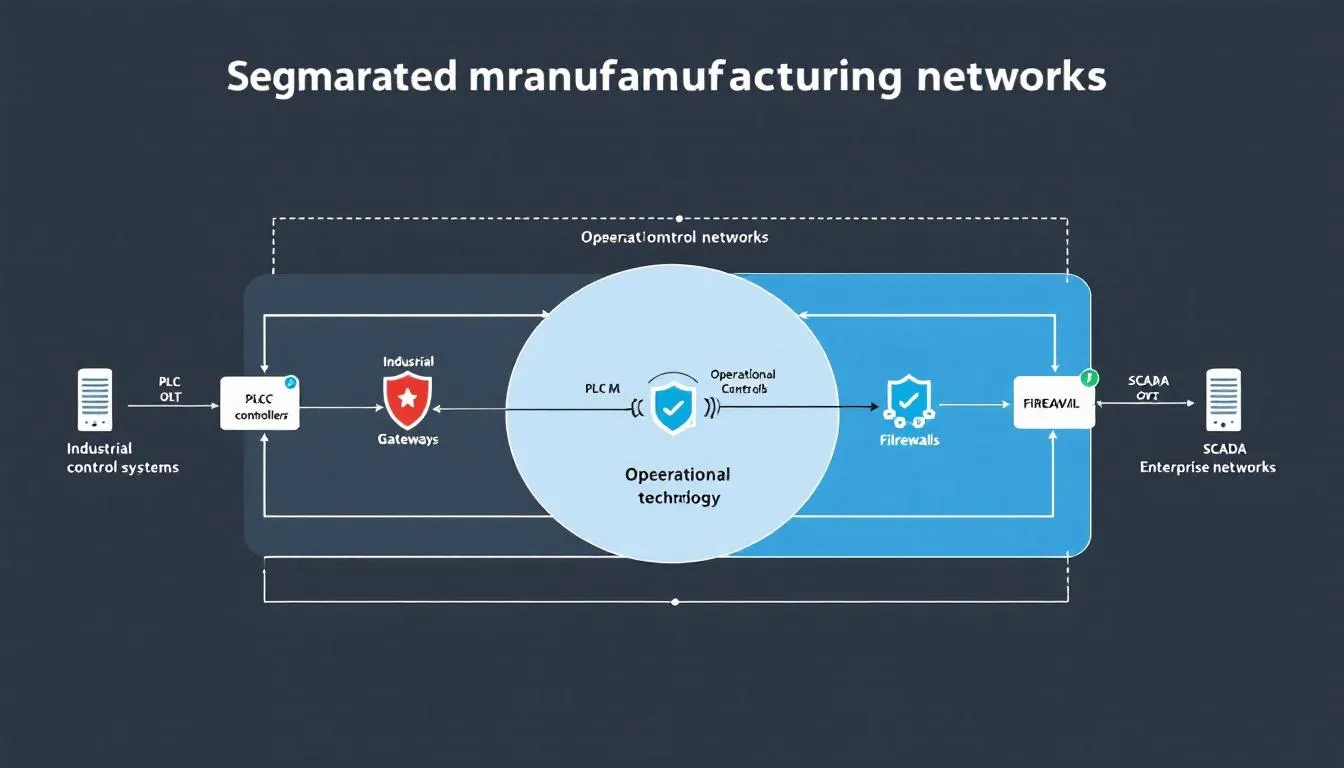
IEC 62443 industrial cybersecurity standards implementation provides a comprehensive framework for protecting manufacturing systems from cyber threats. These standards address security throughout the entire industrial automation system lifecycle, from initial design through deployment and ongoing operations. Following these standards helps ensure that data driven systems remain secure and reliable.
Network segmentation protecting operational technology from IT threats represents a fundamental security practice for connected manufacturing environments. By maintaining separate networks for production systems and business applications, manufacturers can prevent cyber threats from propagating between systems while still enabling necessary data sharing for analytics applications.
Backup and disaster recovery considerations for critical manufacturing data become increasingly important as companies rely more heavily on data driven insights for operational decisions. Comprehensive backup strategies should include both local and off-site storage options, with recovery procedures that minimize downtime in the event of system failures or cyber incidents.
5-Step Implementation Roadmap
Implementing data driven manufacturing requires a systematic approach that addresses technical, organizational, and strategic considerations. This proven roadmap provides a framework for successful transformation while minimizing risks and maximizing return on investment.
Step 1: Assess current automation infrastructure and identify data sources including PLCs, human machine interfaces (HMIs), and variable frequency drives throughout the facility. This comprehensive audit should catalog existing equipment, communication capabilities, and current data collection practices. Understanding what data is already available and what additional sensors or systems are needed forms the foundation for all subsequent implementation activities.
Step 2: Establish secure connectivity using industrial ethernet and wireless technologies to create reliable communication pathways between production equipment and data analytics platforms. This step often involves upgrading network infrastructure, implementing cybersecurity measures, and ensuring that communication systems can handle the increased data traffic generated by comprehensive monitoring systems.
Step 3: Deploy data collection and historian systems for centralized information storage that can accommodate data from diverse sources while maintaining data integrity and providing efficient access for analytics applications. The historian system becomes the central repository for all operational data and must be designed to scale with future expansion plans.
Step 4: Implement analytics dashboards showing key performance indicators like overall equipment effectiveness (OEE), energy usage, and quality metrics that provide immediate visibility into operational performance. These dashboards should be designed for different user groups, from operators who need real-time status information to executives who require high-level performance summaries.
Step 5: Develop predictive models and automated responses for continuous improvement that leverage machine learning algorithms to identify optimization opportunities and automatically implement corrective actions when appropriate. This final step transforms the manufacturing operation from reactive to proactive, continuously improving performance through data driven insights.
Timeline expectations for this implementation typically span 12-18 months for comprehensive deployment, though organizations can begin realizing benefits within the first 3-6 months as initial systems come online. Budget considerations vary significantly based on facility size and complexity, but successful implementations typically show positive return on investment within 18-24 months.
Automation system integrators like Gimbel Automation guide clients through this transformation by providing expertise in both technical implementation and change management. Their experience with similar projects helps manufacturers avoid common pitfalls while accelerating time to value from data driven initiatives.
Industry Success Stories and ROI Examples
Real-world implementations of data driven manufacturing have demonstrated remarkable results across diverse manufacturing industries, providing compelling evidence of the transformative potential these technologies offer to companies willing to embrace change.
A leading automotive manufacturer achieved a 25% productivity increase between 2022-2023 by implementing comprehensive data analytics across their engine production line. The project involved installing sensors on over 200 pieces of equipment, implementing predictive maintenance algorithms, and optimizing production scheduling through machine learning. The company reported that the productivity gains exceeded their most optimistic projections, with additional benefits including improved quality metrics and reduced energy consumption.
A food processing plant reduced energy costs by 18% through strategic data analytics implementation focused on optimizing refrigeration and heating systems. By analyzing temperature data, production schedules, and energy pricing patterns, the facility was able to adjust operations to minimize energy consumption during peak pricing periods while maintaining product quality requirements. The energy savings alone justified the initial investment in data collection systems within 14 months.
Pharmaceutical companies have achieved remarkable improvements in batch consistency using statistical process control enhanced by real-time data collection. One manufacturer reported reducing batch-to-batch variation by 35% while simultaneously decreasing production time by 12%. These improvements resulted from better understanding of process parameters and their interactions, enabled by comprehensive data collection and advanced analytics.
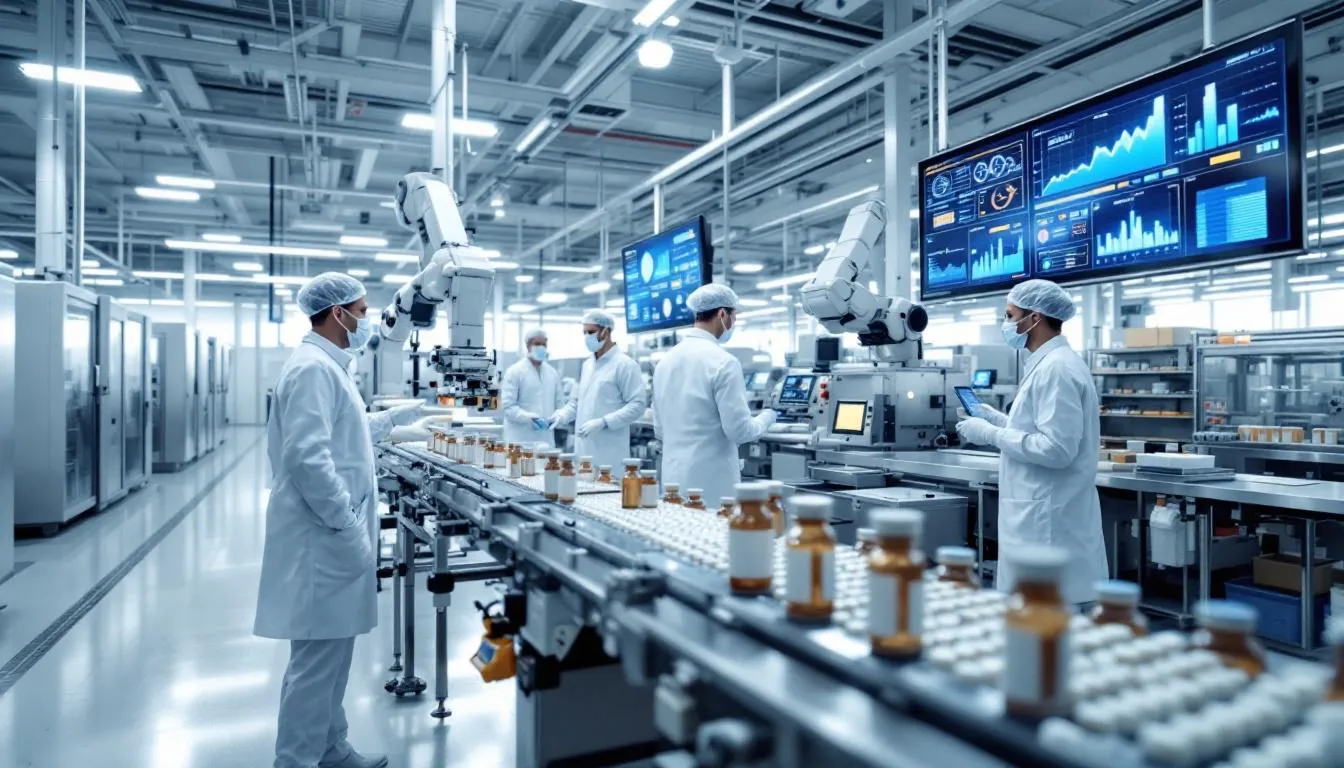
The success of these implementations often depends on having experienced partners who understand both the technical requirements and the organizational challenges associated with digital transformation. Gimbel Automation’s control system expertise has enabled numerous successful data driven transformations by providing comprehensive solutions that integrate seamlessly with existing operations while providing the flexibility to accommodate future expansion and enhancement.
Future Trends and Emerging Technologies
The future of data driven manufacturing continues to evolve rapidly as emerging technologies create new possibilities for operational optimization and competitive advantage. Understanding these trends helps manufacturing executives prepare their organizations for the next wave of technological advancement. Data-driven manufacturing requires a cultural shift where employees at all levels can access and understand data, fostering a more collaborative and informed workforce.
Digital twin technology creating virtual manufacturing environments represents one of the most promising developments in smart manufacturing. These detailed virtual models of physical assets enable manufacturers to simulate process changes, test optimization strategies, and predict equipment behavior without risking production disruption. Digital twins fed by real time data from actual equipment provide unprecedented insights into system performance and optimization opportunities.
5G industrial networks enabling real-time control and monitoring will dramatically expand the capabilities of connected manufacturing systems. The ultra-low latency and high bandwidth capabilities of 5G technology will support applications that require immediate response times, such as closed-loop quality control and coordinated multi-robot operations. Early implementations are already demonstrating the potential for more responsive and flexible manufacturing operations.
Augmented reality applications for maintenance guided by historical equipment data are transforming how technicians interact with complex manufacturing equipment. AR systems can overlay diagnostic information, maintenance procedures, and performance data directly onto equipment views, enabling faster troubleshooting and more effective maintenance interventions. These systems reduce training requirements while improving maintenance quality and consistency.
Predictions for autonomous manufacturing systems by 2027-2030 suggest that many routine production decisions will be handled automatically by artificial intelligence systems that can respond faster and more consistently than human operators. These systems will continuously optimize production parameters, coordinate supply chain activities, and maintain equipment based on real-time analysis of operational data and business requirements.
Forward-thinking automation companies are already preparing clients for these advances by implementing flexible, scalable infrastructure that can accommodate emerging technologies as they mature. This preparation involves designing data architectures that can support future AI applications and ensuring that control systems provide the connectivity and processing power necessary for advanced analytics.
Getting Started with Data-Driven Manufacturing
Beginning the journey toward data driven manufacturing requires careful planning and realistic expectations about timelines and resource requirements. The most successful implementations start with thorough preparation and focus on achievable initial objectives that demonstrate value while building organizational capabilities.
Conducting a manufacturing readiness assessment focusing on existing automation infrastructure provides essential insights into current capabilities and identifies the most promising opportunities for initial data driven initiatives. This assessment should evaluate communication systems, data availability, cybersecurity posture, and organizational readiness for change. Understanding these baseline conditions enables realistic planning and resource allocation for transformation projects.
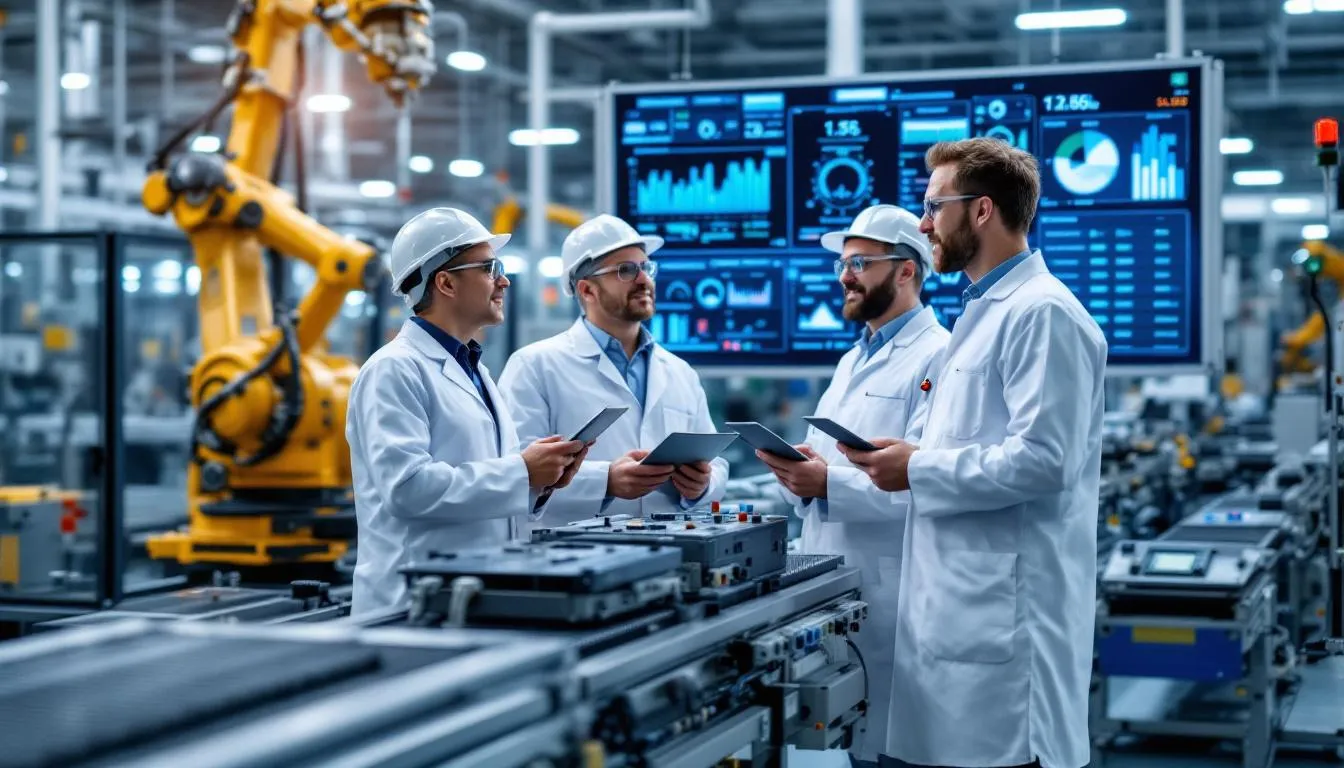
Pilot projects targeting high-impact areas like energy monitoring or quality control offer excellent starting points for data driven initiatives because they typically provide clear, measurable benefits while requiring relatively modest initial investments. Energy monitoring projects can often pay for themselves through reduced consumption, while quality control improvements provide immediate value through reduced waste and improved customer satisfaction.
The importance of partnering with experienced automation specialists cannot be overstated, as successful data driven implementations require expertise in industrial communications, data analytics, and change management. Organizations attempting to implement these systems without proper support often struggle with technical challenges, integration issues, and organizational resistance that could be avoided with experienced guidance.
Manufacturers beginning this journey should focus on building internal capabilities while leveraging external expertise for specialized technical requirements. This approach ensures that the organization develops the skills necessary to maintain and expand data driven systems while avoiding the pitfalls that can delay or derail implementation projects.
For manufacturers ready to explore data driven manufacturing opportunities, conducting a comprehensive assessment of current systems and identifying specific improvement objectives provides the foundation for successful implementation. The investment in proper planning and preparation typically pays dividends throughout the entire transformation process.
Getting started with data driven manufacturing represents a strategic decision that can fundamentally transform how manufacturing operations create value. Companies that embrace this transformation position themselves to thrive in an increasingly competitive global marketplace where operational excellence and customer responsiveness determine long-term success.
The journey from traditional manufacturing processes to data driven operations requires commitment, resources, and expertise, but the benefits - including improved operational efficiency, reduced costs, enhanced quality, and increased customer satisfaction - make this transformation essential for manufacturers who want to stay ahead of the competition.
Whether your organization is just beginning to explore data driven possibilities or ready to implement comprehensive analytics systems, the key to success lies in taking the first step with clear objectives, realistic timelines, and the right partnerships to guide the transformation process.